

 See My Latest Article on HelloNation
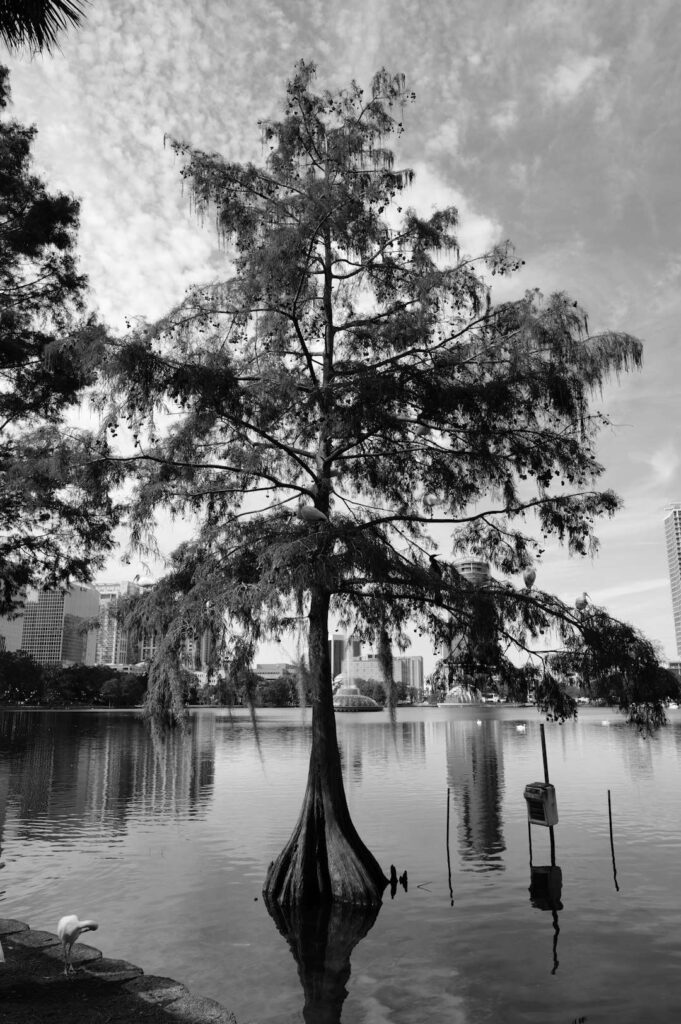
Living in Lakeland, Florida has its perks—lush parks, scenic lakes, and a tight-knit community. But with those joys come the risks of unpredictable Florida weather. Hurricanes, floods, and wildfires are not just news headlines; for many Lakeland residents, they are real possibilities. If you own a home in this region, understanding your natural disaster coverage is crucial to avoid unexpected surprises when storm clouds roll in.
What Is Natural Disaster Coverage?
Natural disaster coverage in a home insurance policy—sometimes called catastrophic coverage—protects homeowners from costly repairs after unexpected events like hurricanes, tornadoes, floods, sinkholes, and wildfires. However, not every policy is alike. Knowing what your standard policy covers (and what it doesn’t) can be the difference between quick recovery and financial hardship.
Common Natural Disasters in Lakeland, Florida
Lakeland’s subtropical climate and central location mean residents are exposed to a range of natural disasters:
-
-
- Hurricanes and Tropical Storms: While not directly on the coast, Lakeland often deals with strong winds and flooding from storms blowing in from the Gulf and Atlantic.
- Flooding: Heavy rainfall and nearby lakes can make flooding a real risk, especially during summer storms.
- Sinkholes: Lakeland sits atop limestone, making sinkhole activity more common than in many other parts of the state.
- Wildfires: Dry spells and lightning storms can spark wildfires, especially in the spring and early summer.
-
What Does a Standard Homeowners Policy Cover?
Most basic homeowner policies (often called HO-3 policies) offer protection against certain disasters, but not all. Here’s what’s typically included:
-
-
- Wind and Hail: Damage due to windstorms or hail—common with hurricanes and tornadoes—is usually covered.
- Fire and Smoke: Coverage for wildfires and accidental fires within the home.
- Falling Objects: Trees or debris falling on your home during storms.
- Lightning: Electrical fires or damage from lightning strikes.
-
However, there are important gaps. Knowing these blind spots is especially vital for Lakeland homeowners.
What’s Usually Excluded from Standard Coverage?
-
-
- Floods: Standard policies do not cover flood damage, whether from rising lakes or heavy rains. Flood insurance must be purchased separately.
- Earth Movement: This category covers things like earthquakes and sinkholes. While California homeowners worry about earthquakes, Floridians should know that sinkholes are generally not included unless you buy specific coverage.
- Sewer Backup: Water backing up from outside lines is not typically covered unless added as a policy endorsement.
- Mold and Water Damage: Not all water damage is covered—especially if it’s due to negligence or long-term issues.
-
Specialized Coverage for Florida Homeowners
Living in Lakeland means prioritizing two additional protections:
Flood Insurance
Because Lakeland’s landscape includes lakes, wetlands, and low-lying neighborhoods, flood risk is elevated. The National Flood Insurance Program (NFIP) offers government-backed policies:
-
-
- Covers damage to structure and, separately, personal contents.
- Typically required if you live in a FEMA-designated flood zone and have a mortgage.
- There’s often a 30-day waiting period before coverage kicks in, so don’t wait until storm season.
-
Sinkhole Coverage
Sinkhole claims are more common here than almost anywhere else in the country. In Florida, insurers must offer “catastrophic ground cover collapse” as part of basic policies, but that’s not the same thing as full sinkhole coverage:
-
- Catastrophic coverage only pays if your home is condemned.
- Voluntary sinkhole coverage, available for an additional premium, covers less severe (but still costly) sinkhole damage.
Tips for Reviewing Your Policy
As a Lakeland homeowner, follow these steps to stay prepared:
-
- *Read your policy’s declarations page to see coverages and exclusions.*
- *Ask your agent specifically about hurricane deductibles, which are often higher than standard ones.*
- *Consider the value of endorsements for flood and sinkhole insurance, regardless of your mortgage situation.*
- *Document your possessions with photos and receipts to make future claims easier.*
- *Review policy limits to ensure they align with today’s repair and rebuilding costs.*
Real-Life Scenario: Hurricane Ian and Lakeland
When Hurricane Ian crossed Florida in 2022, Lakeland residents experienced high winds, power outages, and localized flooding. Many homeowners who only carried standard policies found themselves footing the bill for water damage or backed-up sewers. Those with flood insurance or extra endorsements could recover more quickly and completely.
Local Resources & Guidance
Polk County Emergency Management offers resources on storm preparedness and evacuation plans, while local insurance agents can explain recent changes to Florida’s insurance market. Take advantage of these local experts to help you interpret the fine print and customize your protection.
Final Thoughts
Lakeland’s natural beauty is worth protecting—and so is your home. Don’t let the sunny days lull you into complacency. Review your policy each year and after major life changes. Consider your unique risks, and don’t hesitate to secure extra coverage where standard policies fall short. In the face of Florida’s wild weather, preparation is your greatest ally.