

 See My Latest Article on HelloNation
What Does “Full Coverage” Mean for Drivers in Lakeland, FL?
“Full coverage” is a commonly used—but often misunderstood—term in auto insurance. In Lakeland, FL, it refers to a policy that combines several types of protections, not a single policy option. Full coverage generally includes liability, comprehensive, and collision coverage. However, there is no official “full coverage” package, and what’s included can differ by policy.
Lakeland drivers often ask if full coverage guarantees every possible risk is covered. The answer is no—while it provides broad protection, there are some limits and exclusions to understand.
What Types of Insurance Are Included in Full Coverage?
At its core, full coverage bundles legally required and optional protections to address a wide range of accident scenarios faced by local drivers:
- Liability coverage: Required by Florida law, this pays for injuries and property damage you cause to others in an accident if you’re at fault. It does not cover your own injuries or damage to your own car.
- Collision coverage: Helps repair or replace your vehicle after a crash, regardless of who was at fault. For example, if you hit a guardrail during a sudden rainstorm on Lakeland roads, this component handles repairs to your car.
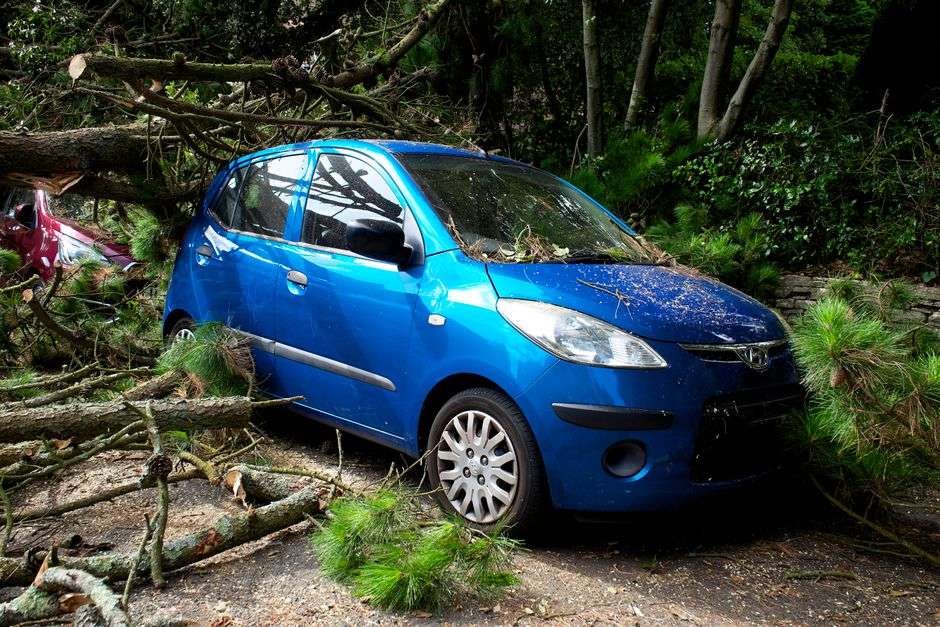
- Comprehensive coverage: Covers non-collision events. If a tree branch falls on your parked car during a Florida thunderstorm, or if your car is stolen, comprehensive insurance steps in.
Many drivers mistakenly believe full coverage covers any possible incident, but it is best viewed as protection against the most common risks, not every conceivable loss.
What Does Full Coverage Pay For in Real-Life Situations?
Full coverage pays for damage to your own car and certain losses from theft, vandalism, weather, or accidents, after you pay your deductible. Some examples specific to local conditions include:
- Flooding after heavy rains: If a sudden downpour leads to street flooding and damages your car, comprehensive coverage is usually what pays for the repairs.
- Collisions at busy intersections: If you’re at fault for a fender bender in downtown traffic, your liability coverage pays for the other driver’s damage and injuries, while collision coverage repairs your vehicle.
- Falling objects during storms: Lakeland’s frequent summer storms can send objects flying. If a tree limb shatters your windshield, comprehensive coverage applies.
- Accidents with uninsured drivers: If another driver is at fault and lacks enough insurance, uninsured/underinsured motorist coverage (sometimes included in full coverage packages) can help pay for your injuries.
What’s not included are costs unrelated to accidents or sudden events—like maintenance, normal wear-and-tear, or mechanical breakdowns.
Does Full Coverage Satisfy Florida’s Insurance Requirements?
Full coverage will always meet or exceed the minimum required by Florida law. The state requires drivers to carry at least:
- $10,000 in Personal Injury Protection (PIP)
- $10,000 in Property Damage Liability (PDL)
PIP pays for your medical bills after a crash—no matter who caused it—while PDL covers damage you cause to others’ vehicles or property. “Full coverage” almost always includes these bases and then adds collision and comprehensive for broader protection.
Are There Common Misconceptions About Full Coverage?
Local residents often ask if full coverage means everything is covered with no out-of-pocket costs. The reality is more nuanced:
- Deductibles apply: For most collision and comprehensive claims, you pay a set amount out of pocket before insurance pays the rest.
- Policy limits exist: Each coverage type has a maximum payout. Expensive repairs or injuries can exceed these limits, leaving you responsible for the difference.
- Some losses aren’t covered: Custom parts, personal items in the vehicle, regular maintenance, or using your car for delivery work are typically not included unless you add specific endorsements.
It’s wise to read policy details carefully and ask about exclusions, especially if you have unique needs or use your vehicle for more than commuting.
What Other Protections Might Residents Need?
Lakeland’s drivers sometimes choose to enhance full coverage policies with optional add-ons for extra security, such as:
- Uninsured/underinsured motorist coverage: Pays for your injuries if the at-fault driver has little or no insurance—a useful safeguard since not all Florida drivers meet minimum coverage.
- Roadside assistance: Helpful for flat tires, running out of gas, or needing a tow in the sometimes unpredictable conditions around the city.
- Rental car coverage: Can pay for a temporary car while yours is being repaired after a covered incident.
These features aren’t always included in what insurers call “full coverage,” so consider whether they fit your household’s driving patterns or budget.
How Do Local Conditions in Lakeland Affect Insurance Needs?
Living in Lakeland brings some area-specific considerations when choosing auto insurance:
- Storms and flooding: The region’s pattern of heavy rain, hail, and hurricane threats makes comprehensive coverage more valuable than for drivers in drier climates.
- Dense parking areas: Shopping centers, schools, and crowded lots present risk for minor collisions or hit-and-run damage, making collision coverage practical even for cautious drivers.
- Seasonal residents: Those who leave vehicles unattended for part of the year may want comprehensive protection for theft and weather-related damage.
Reviewing your policy each year, especially before storm season, helps ensure your coverage matches your risks.
What Should Drivers Review in Their Policy?
Even with “full coverage,” it’s important to understand your deductible choices, limits, and any gaps. Local drivers should:
- Make sure coverage amounts meet their needs, not just state minimums
- Know what the deductible amount is for both collision and comprehensive claims
- Clarify optional coverages, such as roadside assistance or coverage for custom vehicle parts
Checking these details can prevent surprises and help build financial security for families in the community.