

 See My Latest Article on HelloNation
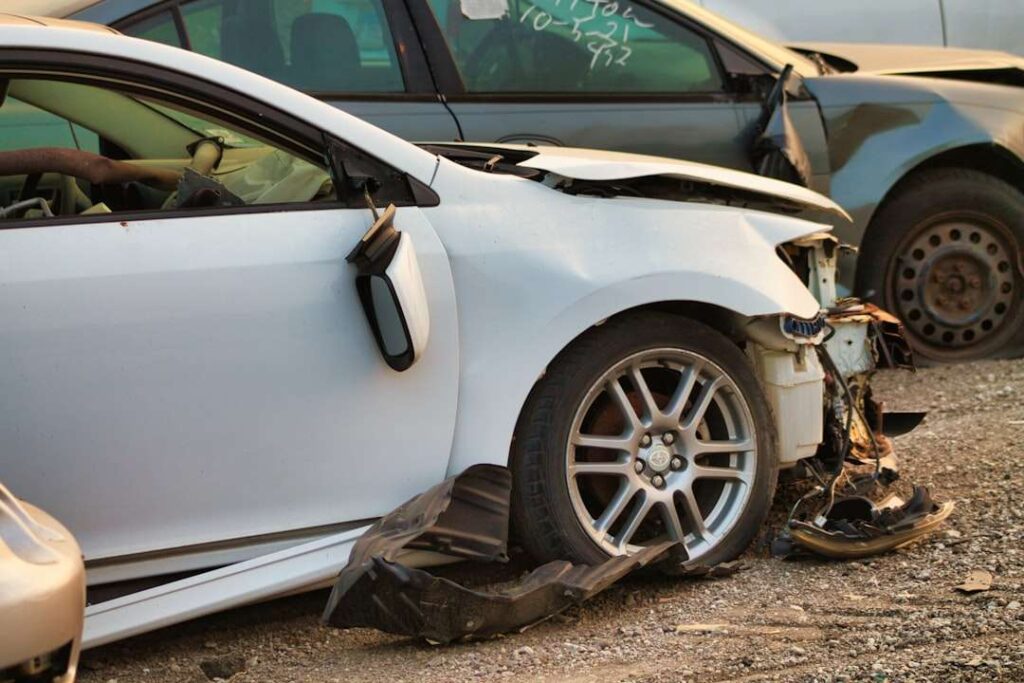
What Should You Do Immediately After a Collision in Lakeland, FL?
First, check your safety and the safety of others. If anyone is injured, call 911 without delay. Move vehicles only if they are causing a hazard and it is safe to do so, which is especially important at busy intersections or on major roads common in the city.
In Lakeland, weather and visibility can sometimes be issues—during a sudden rainstorm, for example, use hazard lights to alert other drivers. Remain calm and avoid admitting fault at the scene. Focus on exchanging essential information and documenting the incident.
What Information Should Be Exchanged and Documented?
Gather crucial details from everyone involved. Local drivers are required by Florida law to exchange:
- Full names and contact information
- Insurance carrier and policy number
- Driver’s license numbers and license plate numbers
- Make, model, and color of vehicles
Use your phone to take clear photos of:
- Vehicle damage (all sides)
- License plates
- The general accident scene, including nearby landmarks or traffic signs
- Existing road conditions—such as wet roadways or potholes, which are not uncommon during Lakeland’s rainy season
If there are witnesses, politely ask for their contact information. Their statements may be helpful if there are questions later about the accident.
Should You Call Law Enforcement?
In most cases, yes. Florida law requires reporting an accident to police if:
- There are injuries or fatalities
- Property damage appears to exceed $500
- Any driver is impaired or uncooperative
Even for minor fender-benders in Lakeland neighborhoods, having a police report can help clarify the events and is often required by insurance companies. Officers will document the scene, interview involved parties, and file an official report.
If local law enforcement cannot come to the scene, you must file a crash report within 10 days with the Florida Department of Highway Safety and Motor Vehicles.
How Do You File an Insurance Claim?
Promptly notify your insurer. Most policies require quick reporting, even for seemingly minor damage. Provide accurate information:
- Date, time, and exact location (noting nearby streets or intersections in Lakeland)
- A summary of what happened, sticking to facts
- The police report number, if available

Upload photos and documentation as requested. Claims can often be started online or with an insurer’s mobile app. Your insurance adjuster will explain the next steps and how repairs will be handled—sometimes using local repair shops familiar with common vehicle models and weather-related issues in the community.
What Are Common Misconceptions About Car Accidents in Lakeland?
Many drivers assume Florida’s no-fault rule means fault is irrelevant, but that’s not entirely true. Personal Injury Protection (PIP) covers medical expenses up to policy limits, no matter who was at fault, but damage to vehicles and liability for serious injuries can still depend on who caused the accident. Another misunderstanding is that minor accidents do not need to be reported. In reality, failing to report even minor collisions can complicate future claims or leave you liable for hidden damages. Some residents may overlook seeking medical attention if injuries seem minor. Given Florida regulations, prompt evaluation is essential: PIP coverage applies only if you seek initial medical care within 14 days of the accident.
How Does the Local Environment Affect Handling Car Accidents?
Lakeland’s frequent afternoon thunderstorms can lead to slick roads and sudden collisions. Be sure to note weather conditions in your documentation, as this can factor into determining what happened and who was responsible. Heavy rain may also scatter debris or obscure traffic signals, so take wide photos of the intersection or roadway. Parking areas near city parks or local shopping centers are common spots for low-speed accidents. In these cases, getting contact details from property managers or noting security cameras can provide valuable support for your insurance claim.
What If the Other Driver Is Uninsured or Leaves the Scene?
In Lakeland, as in all of Florida, about one in five drivers lacks insurance. If the other driver does not have coverage—or leaves before information is exchanged—report the incident to police right away. Provide every detail you can recall, including vehicle color, make, plate digits, and direction of travel. Uninsured Motorist (UM) coverage can help pay for your damages and injuries if the at-fault driver cannot be identified or is uninsured. Check your policy or ask your insurer what coverage you have, especially after hit-and-runs or incidents involving uninsured vehicles.
Are There Any Special Local Regulations or Procedures to Know?
Lakeland follows Florida state regulations for the most part, but drivers should be aware that certain intersections and thoroughfares may be equipped with traffic cameras or city-maintained surveillance. These can be requested for evidence if needed but may require formal procedures. Road construction can change the standard flow of traffic in parts of the city. If an accident happens in a construction zone, specific rules may apply and should be cited in your report if available.
What Happens Next, and How Can You Protect Yourself?
After the immediate steps, monitor your health even if you were not injured at the scene. Some injuries—such as whiplash or soft-tissue trauma—may not be apparent right away. Document any developing symptoms and notify your insurer and medical provider promptly. Keep all related documentation, including medical bills, repair invoices, and correspondence with insurance or law enforcement. Create a folder (digital or physical) dedicated to this incident.
Being prepared and informed can help area households navigate the aftermath of a car accident with less stress, clearer expectations, and better outcomes for everyone involved.