

 See My Latest Article on HelloNation
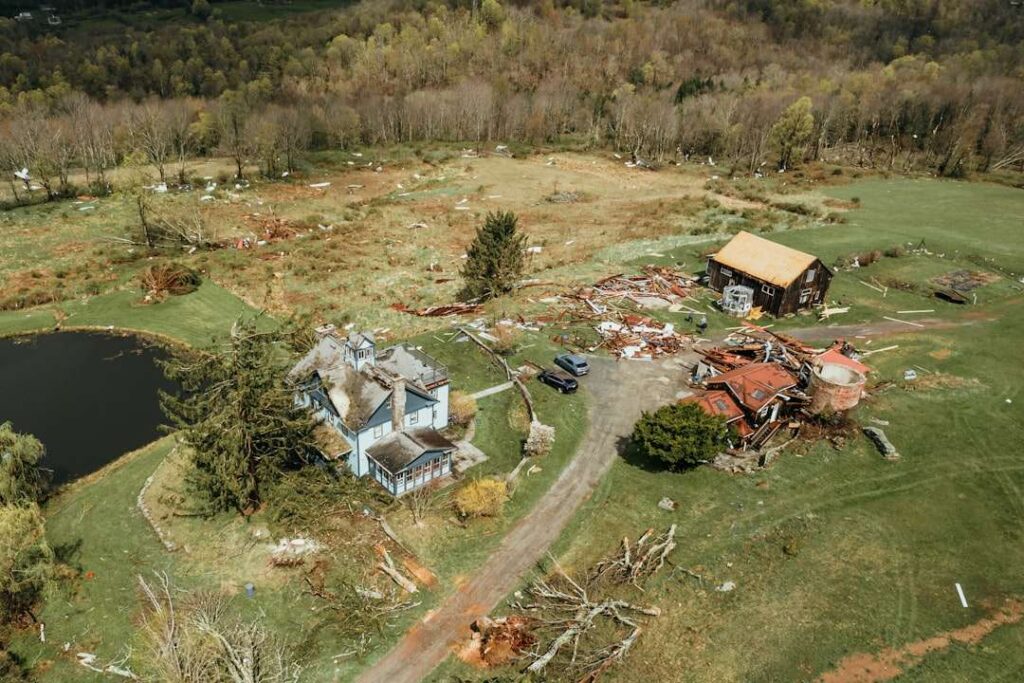
What Should You Do Immediately After Home Damage in Lakeland, FL?
First, ensure your safety and address urgent hazards. After severe weather or an unexpected event—common risks include hurricanes, windstorms, heavy rain, and plumbing issues—take precautions to prevent further harm.
• If the property is unsafe due to structural issues, fire, or flooding, evacuate and contact emergency services. • Only return when it’s deemed safe by authorities. • For manageable incidents, such as minor leaks or wind-blown shingles, safely document the situation with photos or video as soon as possible.
Protecting yourself and your family comes before the insurance process, but prompt documentation will assist your claim later.
How Do You Document Damage for a Home Insurance Claim?
Accurate records are key to a smooth claim. Proper documentation can mean the difference between a straightforward settlement and delays or disputes.
• Take clear, well-lit photos and videos of all affected areas and belongings, including close-ups and wide angles. • Note the date the damage occurred and any relevant weather conditions, which is especially salient during the local hurricane and rainy seasons. • Keep damaged items (or samples) if safe to do so, rather than disposing of everything immediately. • Start a written list of what was damaged, including approximate purchase dates and values for significant items.
For Lakeland homes, documenting water damage or mold quickly is particularly useful, as mold can develop rapidly in the humid climate.
When Should You Notify Your Insurance Company?
Notify your insurer as soon as it is practical—ideally within a day or two—after the event. Most policies require “prompt notice” of claims. Delaying can complicate or invalidate a claim, especially after storms or other events with regional impact.
During Florida’s frequent storm seasons, high claim volume can also mean longer response times from insurance adjusters, so early communication is essential.
Have the following ready when you call:
• Your policy number • The date and description of the incident • Initial evidence (photos, inventories)
Many insurers now offer online portals or apps to start a claim—using these can speed up response and tracking.
What Does a Home Insurance Adjuster Do, and How Should You Prepare?
After notification, your insurance company assigns an adjuster to assess the damage and estimate repair costs. This person represents the insurance company, but your thorough preparation can help ensure a fair evaluation.
• Organize and present your documentation—photos, inventory, receipts, and any related communication. • Be present during the adjuster’s visit to answer questions and point out all affected areas, including spots that might be easy to overlook (like crawl spaces, attics, or exterior fences). • In Lakeland, hidden water intrusion, termite damage, or roof issues can develop slowly. Mention any potential causes or related, secondary damage you’ve seen.
Your cooperation and thoroughness build credibility and provide evidence supporting your claim.
Are There Actions You Should Take to Prevent Further Damage?
Yes, your policy likely requires you to make reasonable efforts to limit further damage while waiting for an adjuster. This is especially true for local residents facing ongoing rain or humidity, which can escalate damage quickly.
• Temporary repairs: Tarp damaged roofs, dry out wet areas, and board up broken windows. • Keep receipts for any purchases related to emergency repairs, as they may be reimbursable. • Do not begin permanent repairs—or dispose of major damaged items—before the insurance adjuster’s inspection, unless safety requires immediate action.
Proactive steps show diligence and may prevent claim disputes over secondary damage.
What If Your Claim Is Delayed or Denied?

Sometimes claims take longer than expected or face pushback. This can occur after widespread disasters (such as hurricanes) or if policy wording is interpreted narrowly. Common causes of claim issues: • Insufficient or unclear documentation • Disputes about the cause of damage • Policy exclusions for certain events (like flooding, which is commonly not covered under standard policies in Florida) Steps to resolve issues include: • Requesting a full written explanation of denial or delay • Submitting additional documentation or expert assessments, if available • Reviewing your policy’s declarations page and endorsements to understand coverage boundaries Local residents can also consult the Florida Department of Financial Services if they believe a claim is being handled unfairly, as this agency provides consumer support specifically for the state’s unique insurance climate.
What Are Common Misunderstandings About Home Insurance Claims in Lakeland?
Many homeowners believe all types of water or storm damage are covered by a standard home insurance policy, but exclusions often apply. For instance, flood damage (from rising water outside the home) usually requires separate flood insurance. Other misconceptions include: • Believing small damages aren’t worth reporting—while minor damages may fall below your deductible, documenting and reporting them can prevent issues if the damage worsens. • Assuming repairs must begin immediately even if it means discarding evidence—always consult your insurer first unless waiting would cause further harm. • Forgetting that local building codes may require upgrades during repairs, which not all policies automatically cover (sometimes called ordinance or law coverage). Understanding these nuances can help prevent surprises and claim headaches.
How Can You Stay Organized Throughout the Claims Process?
A well-organized approach reduces stress and supports a successful outcome. • Keep a dedicated folder (digital or paper) for all claim-related documentation, receipts, and correspondence. • Make notes after phone calls, including the names and roles of anyone you speak to. • Set reminders for follow-up actions, especially if repairs are delayed or payments are pending.
For area households, keeping digital backups of documents and photos is especially useful given the risk of severe weather events damaging physical files.